

Urgent emergency dentist appointments in Sandhurst - from £64
 Same-day appointments available
 Reassuring and friendly team
 0% finance available
 Fast responses
At Confidental we always reserve daily emergency slots for our existing and new patients
High-quality care
Feel reassured with our high standards of professional emergency dental care.
Relieve your pain
Let our emergency dentists get you out of pain fast!
All patients welcome
Our emergency treatment is available for both registered and new patients
Why choose Confidental for emergency dental treatment?
- Appointments until 8 pm, three days a week and some Saturdays too
- Emergency care always available for new patients
- Friendly and empathetic team
- Calm and relaxed practice surroundings to put you at ease
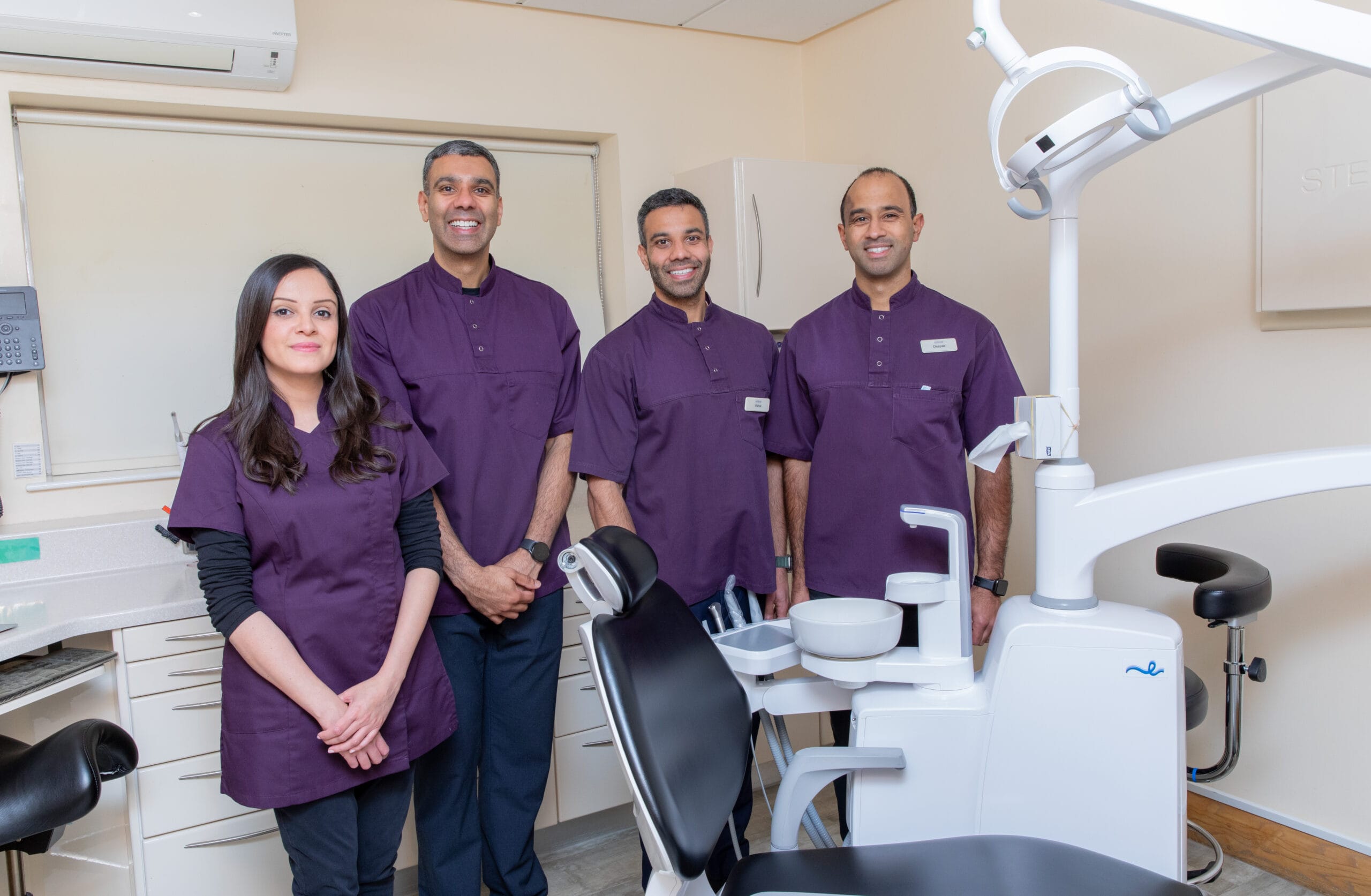
What is a dental emergency?
Dental emergencies are often sudden, painful and distressing. They can have serious consequences if ignored, which is why we offer urgent emergency dentist services to relieve your pain and get your mouth back to full health and function. We provide personalised advice, bespoke treatment and reassuring care when you need it.
Whether you need emergency dental repair, tooth extraction, or anything else, call us as soon as possible or book your emergency appointment online!
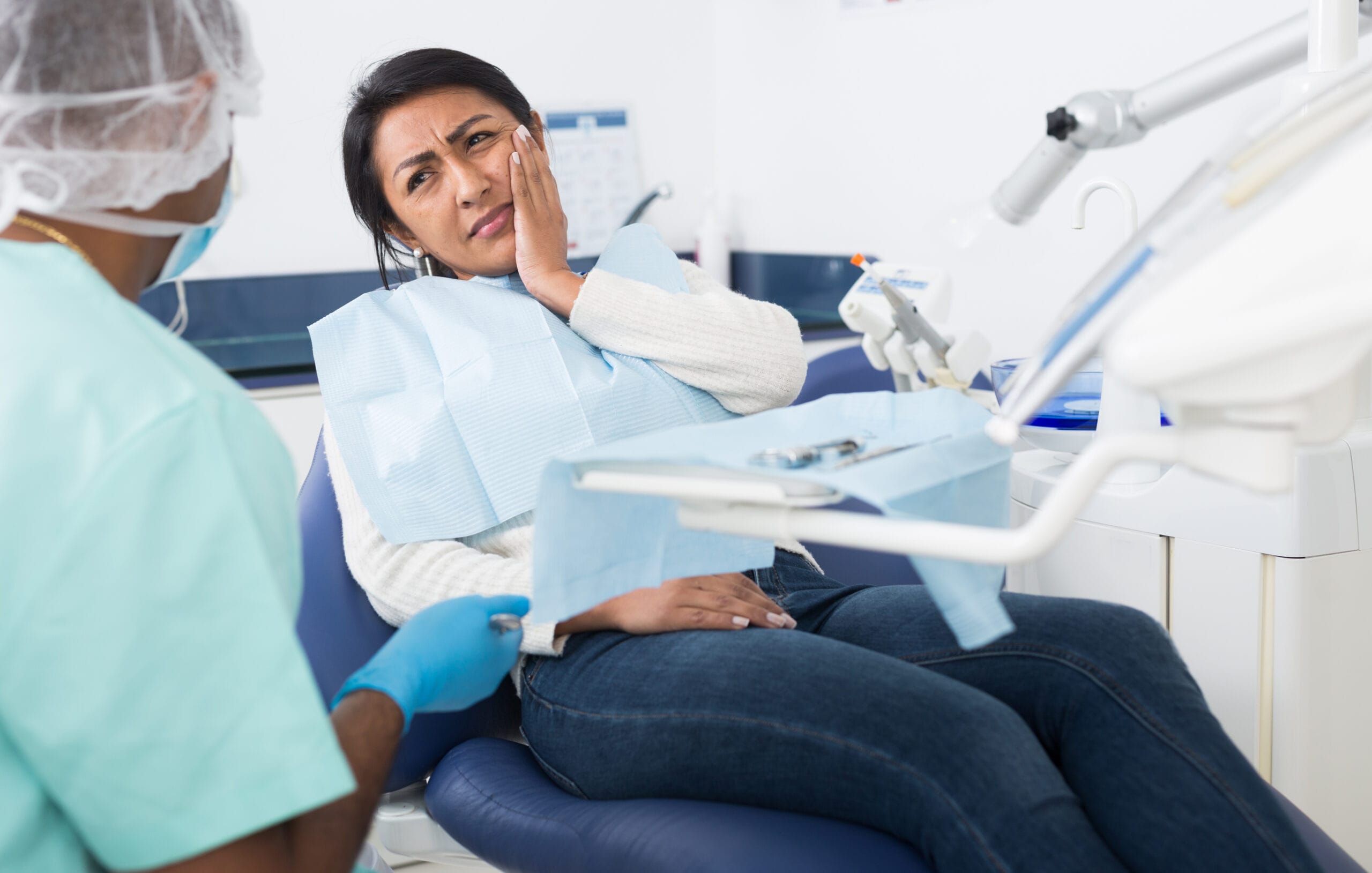
See what our patients say about us
Common dental emergencies
We’re pleased to provide information on common dental problems, and advice on what you can do while you are waiting for your emergency appointment. In all cases, please contact us as soon as you can for more information.
Call usToothache
If you have painful toothache, thoroughly rinse your mouth with warm water and use dental floss to remove any stuck food. If your mouth is swollen, apply a cold compress to the outside of your cheek and see your dentist as soon as possible. Never put aspirin or any other painkiller against your gums near the aching tooth as this can cause burns and damage.
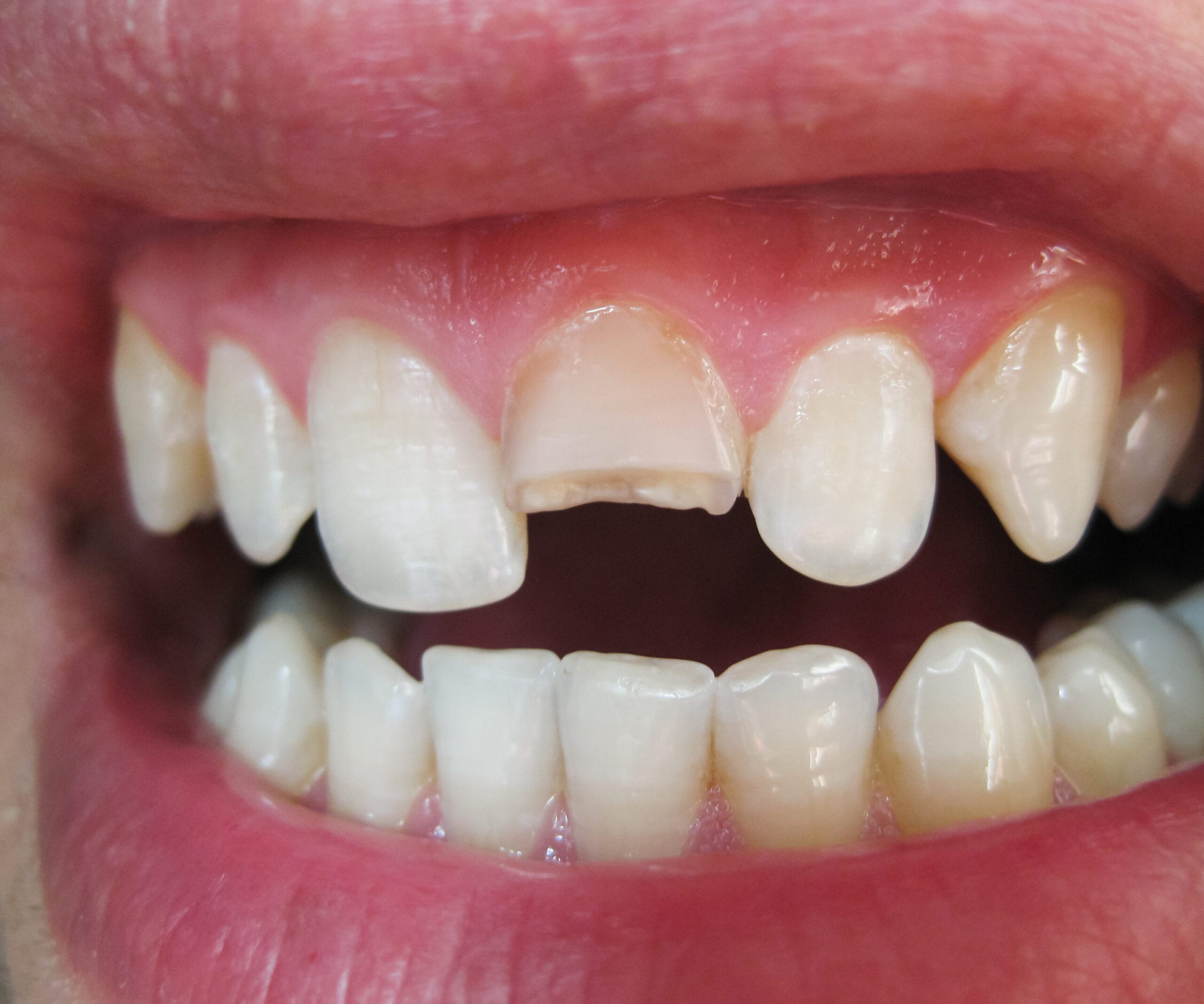
Chipped or broken teeth
If your tooth has chipped or broken off, save any pieces you can and rinse your mouth with warm water. If there is bleeding, apply a piece of gauze to the area until the bleeding stops, which can take around 10 minutes. Apply a cold compress to the outside of your mouth, cheek or lip near your chipped tooth to keep swelling down and relieve pain, and call us as soon as possible.
Knocked-out tooth
If your tooth has been knocked out, it has the highest chance of being saved if you see your dentist and it is returned to the socket within an hour. To save your tooth, hold it by the crown (the part you can see in the mouth) and rinse the tooth root with water. Do not scrub or remove any attached tissue fragments. If possible, try to put your tooth back in place. Make sure it is facing the right way and never force it. If you are not able to reinsert your tooth, put it in a small container of milk and call us as soon as you can.
Extruded (partially dislodged) tooth
If your tooth has partially dislodged, contact us immediately. Until you can get to the practice, please apply a cold compress to the outside of your mouth or cheek to relieve your pain. Take over-the-counter pain relief if necessary.
Objects caught between teeth
If something is stuck between your teeth, try using dental floss to gently remove the object. If you can’t remove it, please call us for advice. Never use a pin or other sharp object to poke the stuck object, as this can cause damage to your gums or teeth.
Lost fillings or crowns
If your crown falls off, please contact us for an appointment as soon as possible, and remember to bring your crown in. If you’re in pain, use a cotton swab to apply a small amount of clove oil to the sensitive area (this can be bought at your local chemist). If possible, coat the inner surface of your crown with an over-the-counter dental cement, toothpaste or denture adhesive and slip it back over your tooth.
Abscess
Abscesses are serious infections that occur between the teeth and gums or around the root of a tooth. They need to be treated as soon as possible to avoid the infection spreading. If you discover a painful pimple-like swelling on your gum, please call us as soon as possible. To ease the pain, you can rinse your mouth in a mild salt-water solution several times a day.
Soft tissue injuries
Injuries to your tongue, cheeks and gum can result in bleeding. You can control this by rinsing your mouth with a mild salt-water solution and applying pressure to the bleeding site with a wet piece of gauze or a tea bag for 15-20 minutes. If the bleeding will not stop, please call us immediately or go to a hospital emergency department for treatment and advice.
Frequently asked questions
What constitutes a dental emergency?
A dental emergency is anything that causes severe pain or puts your oral health at risk and requires immediate professional attention. This includes conditions causing severe pain, uncontrolled bleeding or the loss of a tooth.
What are the most common dental emergencies?
The most common dental emergencies include knocked out teeth, broken or chipped teeth, and severe toothache. If any of these occur, please contact your dentist as soon as possible for emergency treatment and advice.
How can I prevent dental emergencies?
By their very sudden and unexpected nature, many dental emergencies can’t be avoided. However, keeping your mouth as healthy as possible goes a long way to preventing the need for emergency treatment. This includes maintaining a regular brushing and flossing routine at home, visiting your dentist for regular check-ups, and protecting your teeth with a mouthguard when playing contact sports.
What should I do if I have a dental emergency outside of your practice hours?
If you have a dental emergency outside of our practice opening hours, please call the practice line on 01252 877 309 and listen to the advice given. For severe bleeding or significant trauma, please visit your hospital A&E department.
What can I expect during an emergency dental appointment?
During your emergency dental appointment, you can expect a reassuring welcome and a comprehensive assessment of your condition. Where necessary, we provide immediate treatment to alleviate your pain and take X-rays. If follow-up care is needed, we create your detailed treatment plan and book further appointments for your continued care.
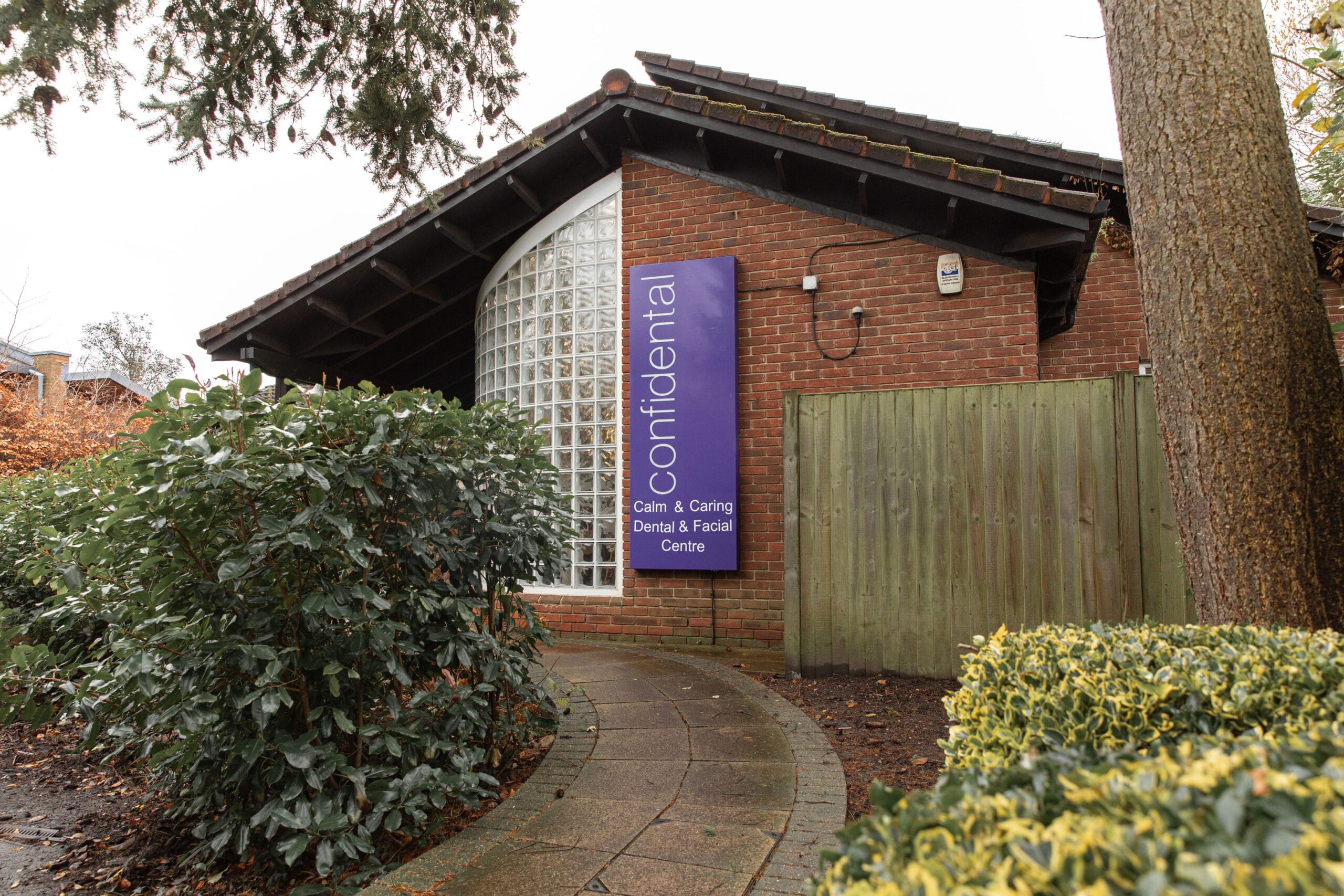
Contact us today
We love hearing from you! Our friendly team is happy to help you however you need us - from booking an appointment to giving more information on our services.


Areas we serve include: - Sandhurst, Camberley, Blackwater and the surrounding areas.